

You Read Books All Wrong
A practical and slightly rebellious guide to reading without guilt

Every January, people swear they’ll read more books—right after they sign up for a gym they won’t see by March. They want to get off their phones and get more intimate with books. But if the companionship of books is not something you grow up with, it’s hard. Books don’t magically become friends at fifty five just because you bought a tote bag from an indie bookstore.
There are skills, hobbies, and obsessions you pick up, or at least get comfortable with, when you are a kid. A lot of my friends play piano in their 50s. I like the idea of learning an instrument and I don’t feel dumb, but it looks like a massive undertaking. All my piano playing friends grew up in households where learning piano was a non-negotiable part of membership, like brushing your teeth or knowing where the light switches are.
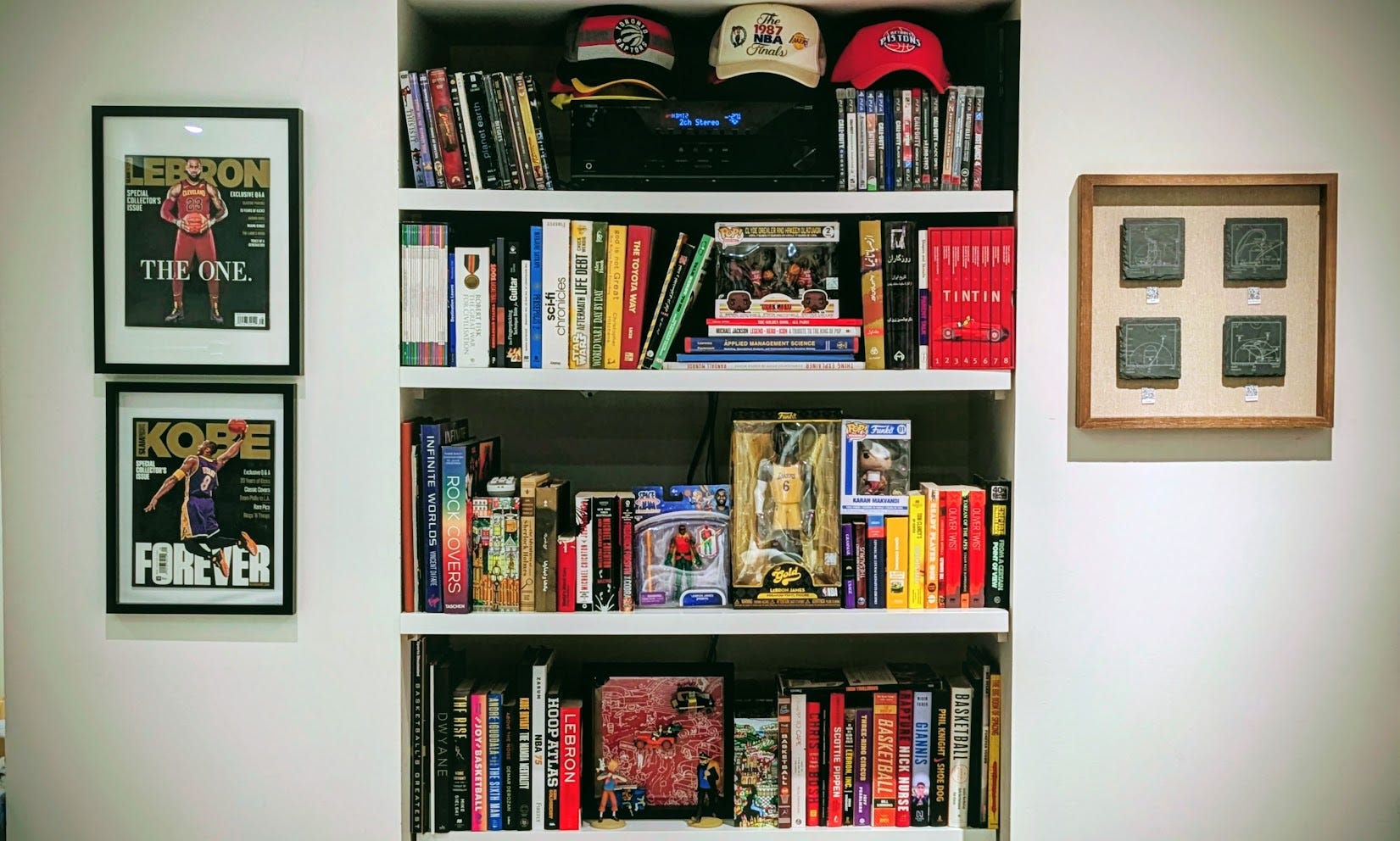
For me, the skill I picked up in childhood was being comfortable with books. Reading. Having books around. Collecting them and what not. I learned to translate my interests into books. I loved cars and basketball as a kid, and later translated that love into reading and collecting books about what I already cared about. For me, books were a vessel. A form of entertainment. Not an objective to conquer.
What is the biggest impediment to picking up books if you’re not into reading?
The biggest hurdle is the advice people keep repeating. All you hear is “Go to the library or bookstore and pick up any book you like and read it cover to cover.” I am not saying it is wrong, but it is simplified to the point of being useless.
I see many downsides to this approach. First, it assumes people know what they like. Beginners usually don’t. Second, it somehow manages to make things worse. It turns reading into a test of discipline. “Cover to cover” frames reading as endurance, not curiosity. It overvalues completion and undervalues engagement. I’m not even going to get into cognitive fatigue or the uncomfortable truth that a lot of books are just not good. We already know this advice doesn’t work.
So, what do we do?
First, decouple being a reader from finishing books. Not all books are meant to be read cover to cover, or listened to, in the case of audiobooks, in their entirety. Kick out the endurance part and explicitly allow quitting. Encourage sampling. Don’t feel bad about owning a book where you only read your favorite three chapters and ignore the rest like they don’t exist.
Start with shorter wins. Short stories. Excerpts of actual books. Articles. A few page comic book stories. Even podcasts. Be format agnostic. Paper books, ebooks, comic novels, audiobooks, and now even Dolby ATMOS audio recreations. Surround yourself with reading material. That’s what I did, to be honest that was what my dad did.
I don’t look at books as one big category. I sort them into different classes, each with its own purpose and its own treatment routine.
Class One: Books that are not for reading!
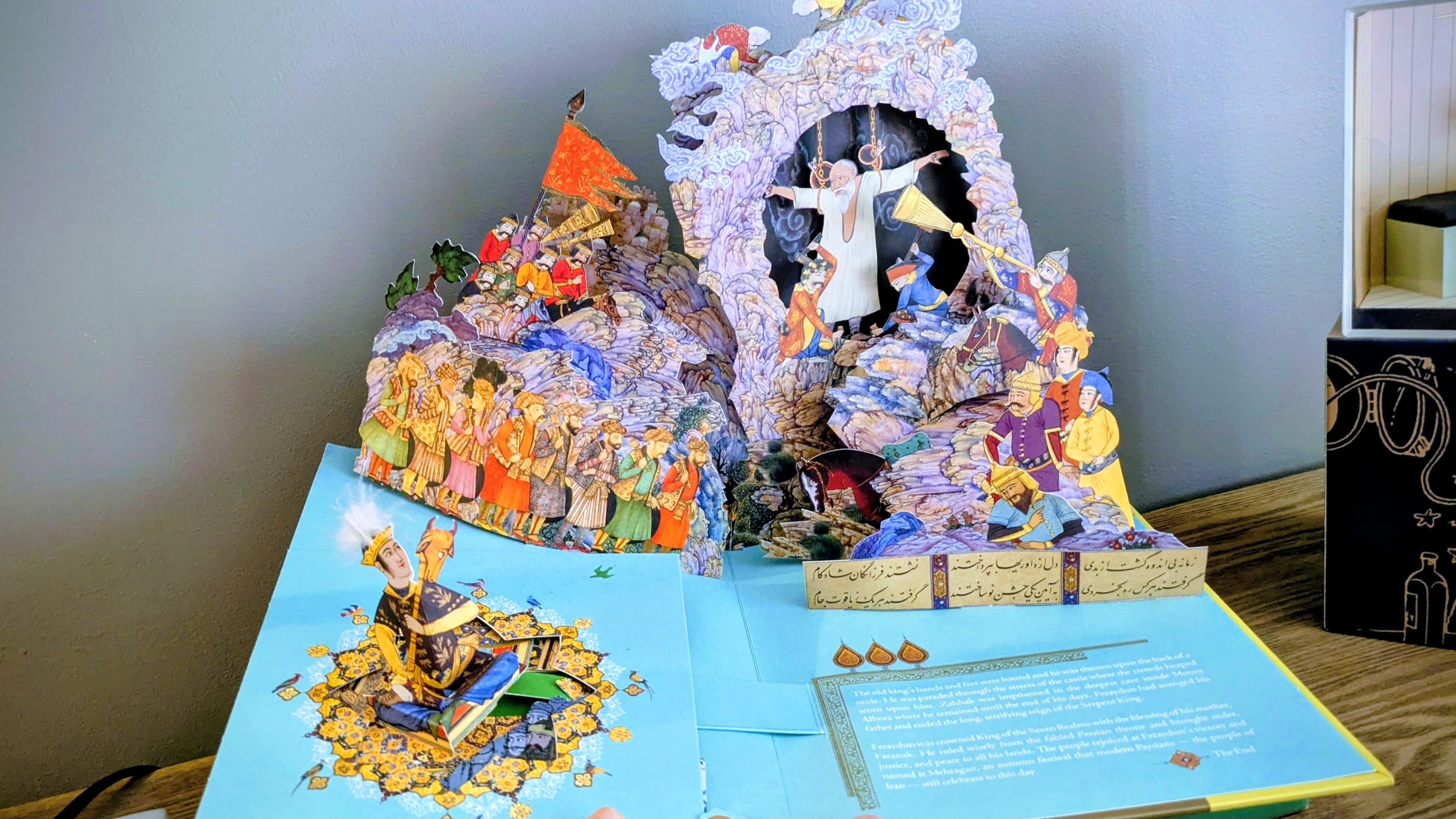
I have books that are mostly decorative works of art. They sit somewhere between collectibles and toys. If you read them too much, you ruin them. Pop up books are technically books, but they are closer to sculpture than text. You can read what’s printed on their pages, but their real job is to exist, look interesting, and occasionally spark conversation among friends.
Class Two: Books you enjoy having
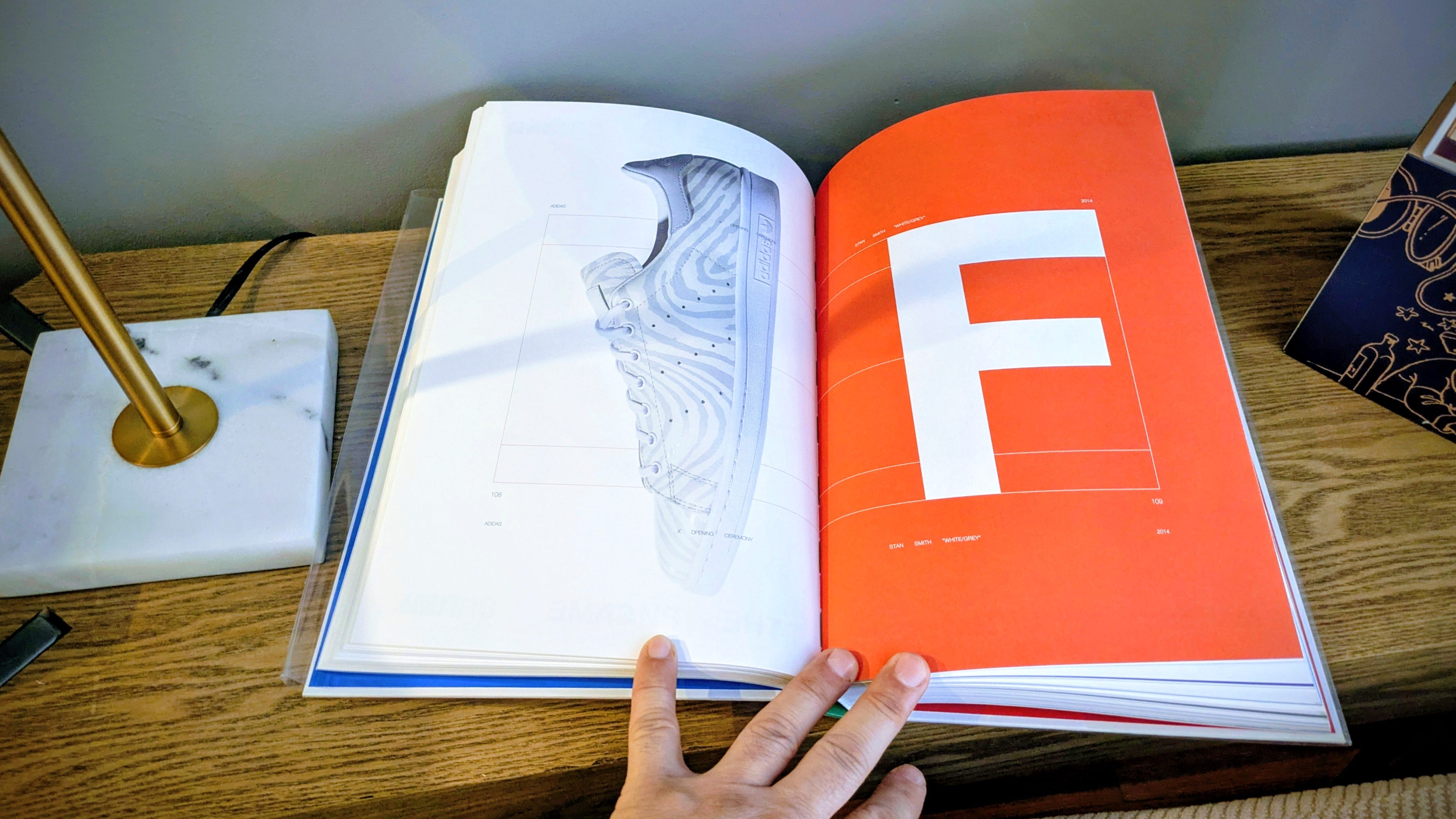
These are books that beautify. Lots of pictures, very little text. They connect to things you love or things that trigger nostalgia. You don’t need to read these books cover to cover. Just have them around and enjoy them as objects that quietly announce who you are without saying a word.
Class Three: Books you like to read, but not necessarily all of
Books are not your plate at the family dinner table when you where a kid. You don’t need to finish your plate including all the vegetables. Read any part you like. Read it again. Leave the rest untouched forever if you want. There are books you need to read, but not completely, and there is no moral failure attached to that.
Class Four: Books you read cover to cover and that’s it
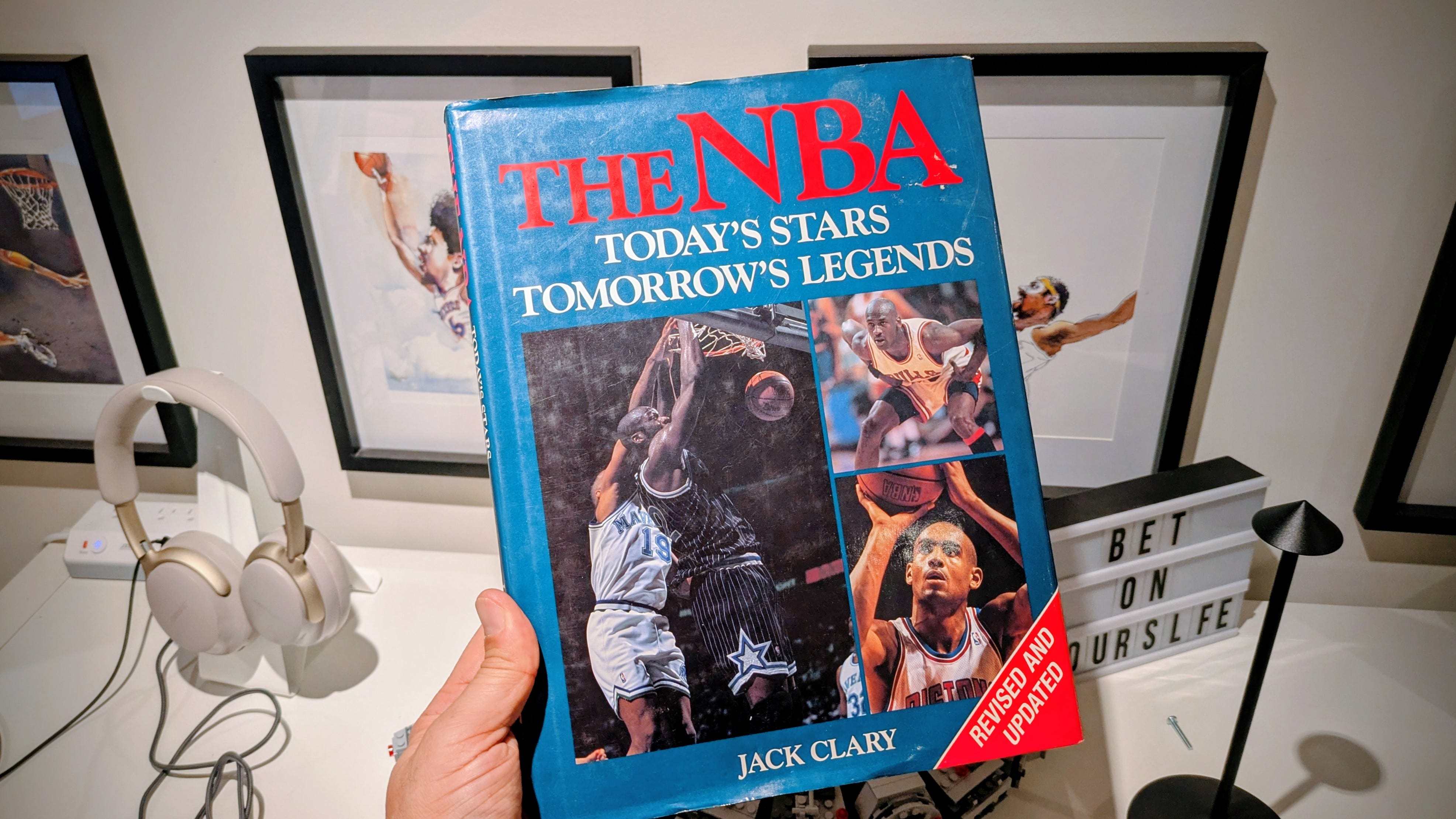
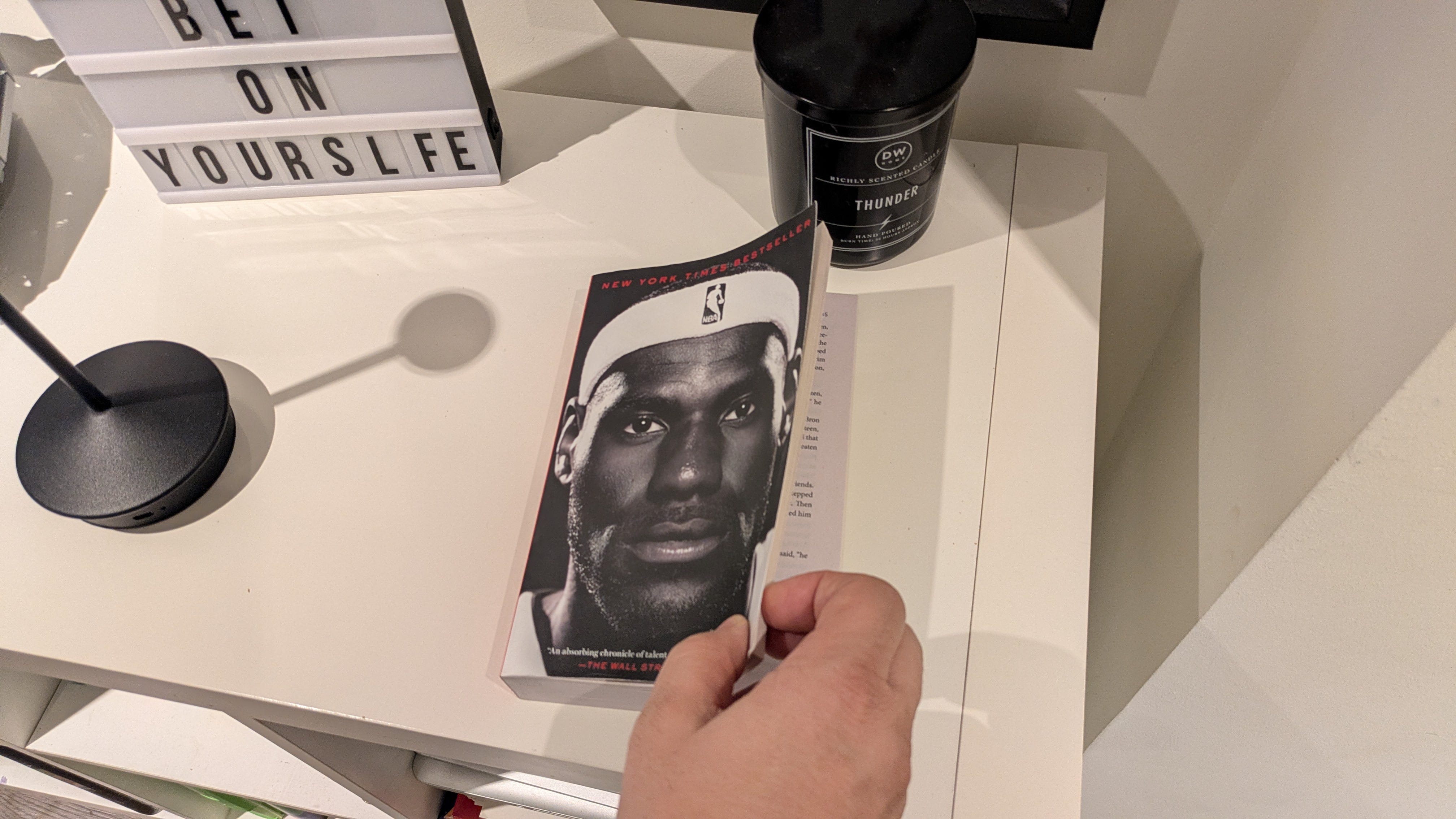
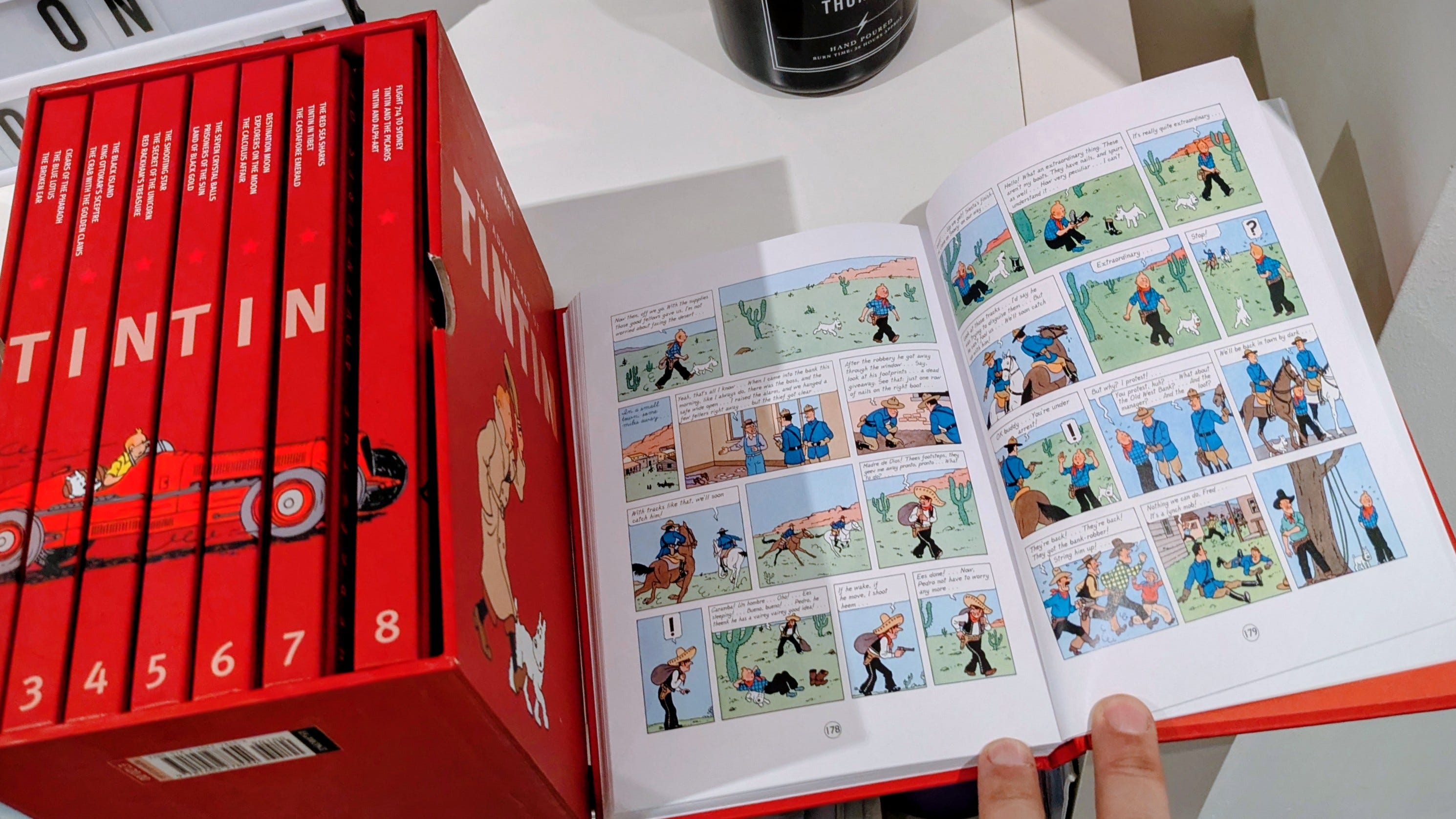
Novels, biographies, comic books. Read them cover to cover, but never force yourself to finish them on a tight schedule. If you have a hard copy, fold it, tear the corners as bookmarks, abuse it. Coffee spills are welcome. Chicken wing stains are part of the experience.
These are books you can read or listen to multiple times. If you don’t feel like stopping to make notes, that’s fine. In a few months, you will forget the plot. Also fine. Never feel bad that in two years you don’t remember anything from the Steve Jobs biography or your favorite fantasy mega series. Nobody is tracking this. Enjoy it and move on.
Class Five: Books you want to read and re-read and read again
Nobody is giving out medals for the number of books you read in your life. There are books you read and reread and read again. These books are like watching Die Hard movies at Christmas. There is no shame to delve into adventure at Nakatomi plaza. Nobody asks why you’re watching the same movie again since 1988, and you don’t owe anyone an explanation. These books are mental floss. Your favorite song. Your escape hatch from a loud world.
Class Six: Books you need to devour, not just read
Books in the class don’t show up often. They change how you think. They answer questions you’ve been carrying for years without realizing you were asking them. These aren’t books you read, enjoy, and quietly shelve.
Treat them like coursework. Take each chapter slowly. Reread. Skip around. Look things up. Write notes. Condense those notes and let them raise new questions. Take your time. If you spend months on the same book, that’s not a failure—it’s usually a sign the book is doing its job.
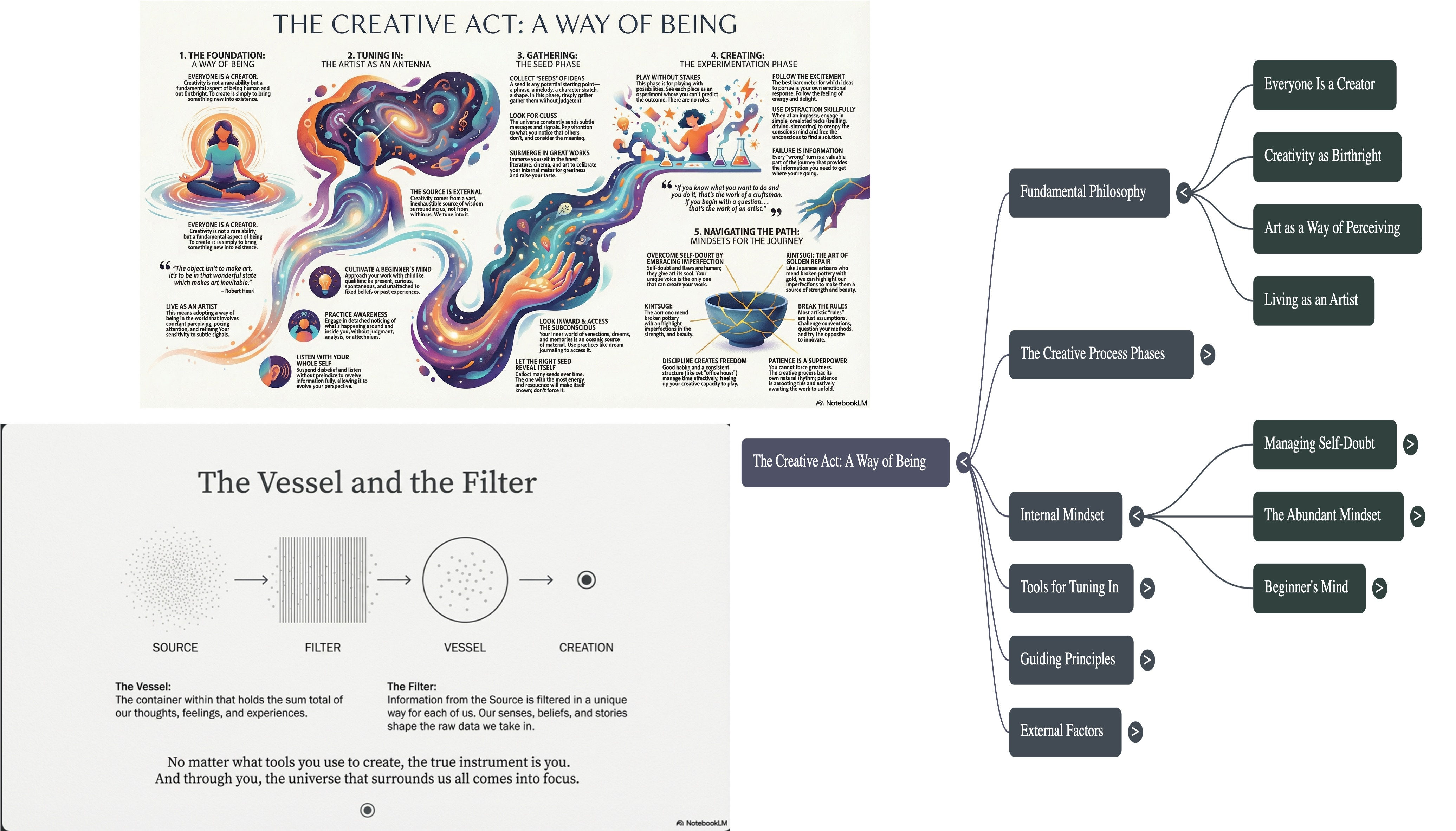
I used to scribble in the margins. Then I moved to Google Keep and Notion. Now I break books apart using NotebookLM. I feed the book in as a source, build mind maps to move through ideas, create infographics, even make quizzes to test myself. I keep every note and come back to it. At that point, the book stops being something I “finished” and turns into an ongoing conversation.
Disassociate the phrase “reading books” from just “reading.” Read anything. Liner notes. Manuals. Long essays. Instruction sheets you accidentally opened and now can’t stop reading. Consume information in written or visual form without asking whether it qualifies as a proper book experience.
Disassociate the word “book” from something sacred that comes with invisible rules and quiet judgment. A book is not a contract. It is a container. Some containers you sip from, some you snack from, and some you live off for months. Surround yourself with books of every type and let them sit there, half read, unread, reread, and abused.
If you learn to love curiosity first, the rest takes care of itself. Comfort with reading sneaks in quietly. The love of books shows up without an announcement. One day you look around and realize you didn’t become a reader by finishing more books. You became one by staying interested.